Indoor vs Outdoor Padel Court — Pros, Cons, and Climate Considerations
Indoor vs outdoor padel courts compared: climate factors, cost differences, HVAC needs, and which option fits your project best.
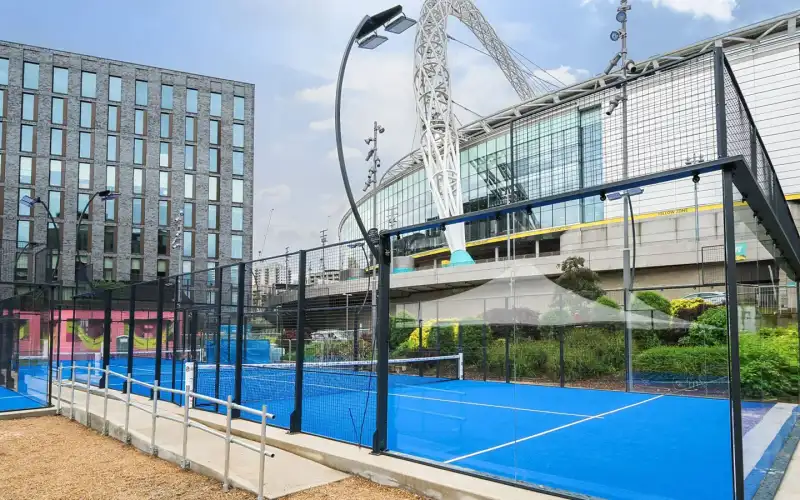
One of the first strategic decisions when planning a padel facility is whether to build indoor courts, outdoor courts, or a combination of both. Each option has distinct advantages, cost profiles, and operational characteristics. Climate plays a central role, but it is far from the only factor. This article provides a structured comparison to help investors and club owners make an informed decision.
Outdoor Padel Courts
Outdoor courts are the most common installation type worldwide, particularly in southern Europe, the Middle East, and Latin America. Their primary advantage is lower construction cost. Without the need for a building envelope, the investment focuses on the court structure itself, surface preparation, drainage, and lighting.
Advantages of Outdoor Courts
The capital expenditure for an outdoor court is typically 30 to 40 percent lower than an equivalent indoor installation. Natural ventilation eliminates the need for HVAC systems, reducing both upfront cost and ongoing energy consumption. Outdoor courts also benefit from natural light during daytime hours, which enhances the playing experience and reduces electricity use. For properties with available open space — hotels, resorts, residential developments — outdoor courts integrate seamlessly into the landscape.
Challenges of Outdoor Courts
Weather is the primary constraint. Rain, extreme heat, and high wind render courts unplayable. In regions with more than 80 rainy days per year, outdoor-only facilities face significant downtime and revenue loss. Sun glare can affect play during certain hours, and UV exposure accelerates wear on surfaces, nets, and accessories. Wind above 40 kilometres per hour disrupts ball flight and makes competitive play difficult.
The MejorSet Full Panoramic model is particularly well-suited for outdoor installations. Its robust galvanised steel frame and tempered glass panels are engineered to withstand harsh weather conditions, and the panoramic design provides excellent spectator sightlines even in open-air settings.
Indoor Padel Courts
Indoor courts are housed within a dedicated building or adapted industrial space. They offer year-round playability regardless of weather, making them the preferred choice in northern Europe, urban centres, and regions with extreme seasonal variation.
Advantages of Indoor Courts
Weather independence is the defining benefit. An indoor facility can operate 365 days a year with consistent conditions. This predictability simplifies revenue forecasting and membership pricing. Indoor courts also allow precise control over lighting, temperature, and humidity — factors that directly affect the quality of play.
Acoustics can be managed with appropriate materials, creating a better atmosphere for both players and spectators. Indoor facilities also offer enhanced security and controlled access, which supports 24/7 automated operation.
Challenges of Indoor Courts
The most significant drawback is cost. Building or renting an enclosed structure with sufficient ceiling height (minimum 7 metres for recreational play, 9 metres recommended) adds substantially to the budget. Energy costs for lighting, heating, and cooling represent an ongoing operational expense.
Ventilation and climate control require careful planning. A purpose-built court covering must handle the moisture and heat generated by active players while preventing condensation on glass walls. Poorly designed systems lead to foggy glass, slippery floors, and an unpleasant environment — all of which drive players away.
Climate-Based Decision Framework
The right choice depends heavily on local climate conditions. In Mediterranean climates with mild winters and dry summers, outdoor courts are an excellent primary option, with the potential to add a canopy or retractable roof for rain protection. In continental climates with cold winters and hot summers, a mixed approach works well — outdoor courts for peak season and indoor courts for year-round base load. In northern or maritime climates with frequent rain and low temperatures, indoor courts are almost always the better investment despite the higher upfront cost.
Hybrid Solutions
Many successful padel centres use a hybrid model: a mix of indoor and outdoor courts that maximises capacity during good weather while guaranteeing availability year-round. Retractable roof systems and semi-permanent tensile structures offer a middle ground, providing weather protection without the full cost of a permanent building.
Making the Decision
The optimal configuration depends on climate data, local demand, available space, and budget. Premidel helps clients evaluate these factors through detailed site assessments and financial modelling. Contact us for a consultation that includes climate analysis, court model recommendations, and a projected return on investment for your specific scenario.
Related Articles
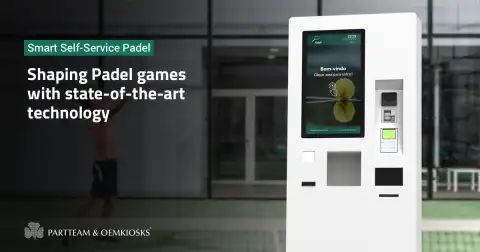
Padel Club Equipment — Complete Guide to Outfitting Your Center
Everything a padel club needs beyond courts: furniture, vending, HVAC, smart systems. A complete equipment checklist for club owners.
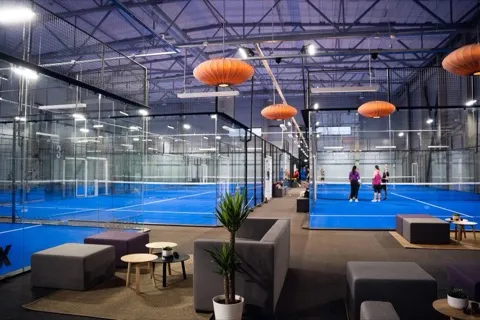
Buying and Building Padel Courts in Croatia – The Complete Guide
Everything you need to know about buying and building padel courts in Croatia: market overview, regulations, costs, ROI analysis, location selection.
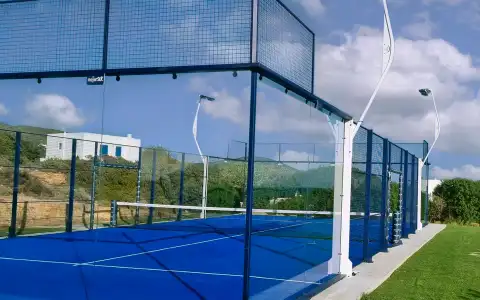
MejorSet FIP Official Court — The Official Court of the International Padel Federation
Everything about the MejorSet FIP Official Court: the official court of FIP and Premier Padel, the MejorSet manufacturer, and why it's the right choice for professional padel centres.
Ready to Build Your Padel Court?
Get your project quote — most clients see full ROI within 18 months